10-Day Trip to Nepal: Day 1 – Arrival in Kathmandu
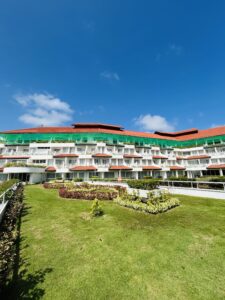
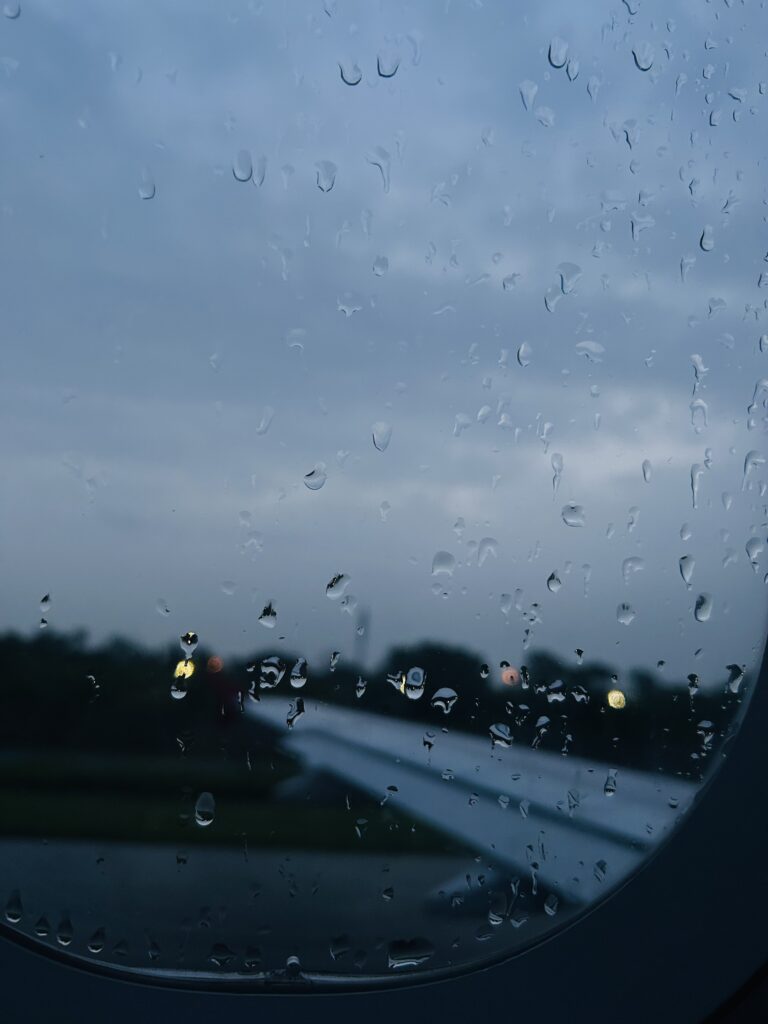
We landed in Nepal around midnight, tired but excited for the journey ahead. Since it was late, we chose to stay at a hotel close to the airport. After collecting my luggage, the first essential tasks were simple but important: exchange your currency, buy a local SIM, and download the inDrive taxi app.
Once I activated my new SIM, booking a cab through inDrive was quick and smooth. The app works efficiently, and getting a taxi at midnight wasn’t difficult. If you ever feel confused about the pickup or drop location, don’t hesitate to ask local people—they’re incredibly helpful and can guide you to the correct spot.
When we reached the hotel, our next concern was food availability at such a late hour. But to our relief, many places in Nepal offer 24×7 food services, so there’s no need to worry about late-night hunger.
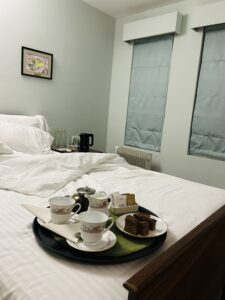
We started our first morning in Nepal with breakfast at the hotel. For fellow vegetarian Indian travelers—don’t worry—Indian vegetarian food is easily available almost everywhere. Being vegetarian myself, I found plenty of options.
Day 1: Exploring Kathmandu
Kathmandu welcomed us with its blend of history, culture, and spiritual energy. There are multiple places to explore here, each offering a unique glimpse into Nepal’s heritage and everyday life.
Pashupatinath Temple
Pashupatinath Temple holds immense significance in Hindu mythology and is one of the oldest and most sacred temples in the world. Dedicated to Lord Shiva, this temple is unique because it is the only Shiva temple featuring five faces—four facing different directions and one at the top, symbolizing his all-seeing presence.
At the entrance, you will find the grand statue of Nandikeshvara (Nandi), the divine vehicle and devoted attendant of Lord Shiva. As per tradition, devotees first worship Lord Shiva and then offer prayers to Nandikeshvara to seek blessings and liberation from being born in animal form.
Running along the temple corridor is the holy Bagmati River. The riverbanks serve as an eternal cremation ground, where funeral rites take place continuously. It is believed that the sacred energy of Pashupatinath grants peace to departed souls.
Both morning and evening aartis at the Bagmati River are deeply soul-soothing—filled with chants, bells, and the glow of lamps. The atmosphere feels incredibly purifying and spiritually elevating.
A short walk from the main shrine leads to another significant temple.
Guhyeshwari Temple
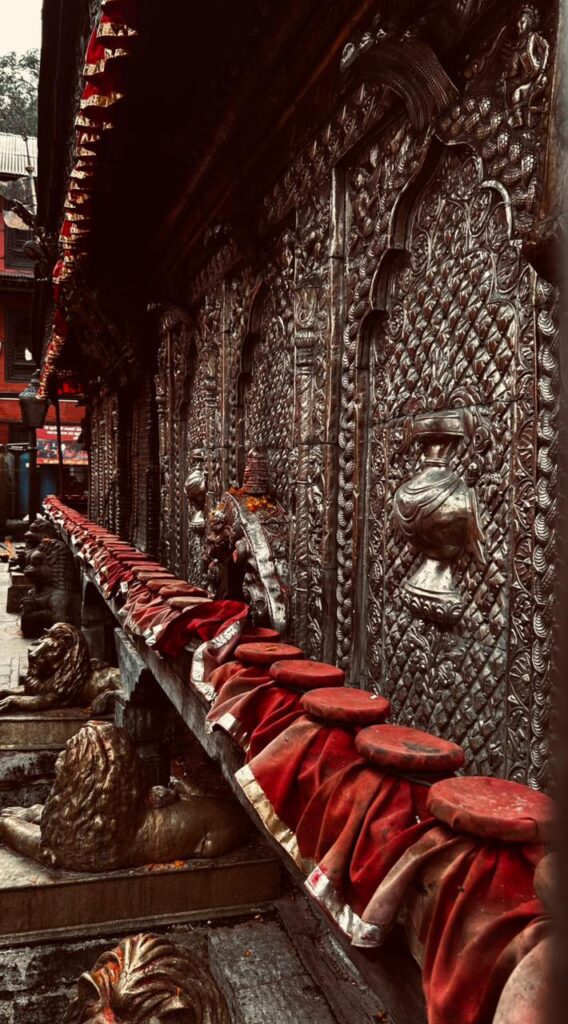
Guhyeshwari Temple is one of the revered Shakti Peethas, making it highly important for Hindu devotees. Here, Goddess Shakti, the divine consort of Lord Shiva, is worshipped with great devotion.
It is believed that just as one worships Lord Shiva, one must also worship Shakti—representing power, energy, and the feminine divine. The temple sits atop a small elevation, requiring visitors to climb around 100 steps to reach the sanctum. The climb is worth the effort, offering a serene and spiritually powerful experience.
Boudha Stupa (Boudhanath Stupa)
As you enter the grounds of Boudha Stupa, you’ll notice the crowd first—but the moment your eyes fall on the stupa, everything around you softens. The sheer presence of the stupa radiates a calm, soulful energy, almost as if the air itself becomes lighter.
Boudha Stupa, with its massive semicircular shape, is one of the largest in the world and is believed to contain sacred relics of Lord Buddha. It’s a place where prayer flags dance in the wind, monks chant mantras, and peace feels tangible.
Around the stupa, you’ll find a lively market filled with Nepalese handicrafts, souvenirs, prayer wheels, Tibetan jewellery, spices, and clothes. There are also plenty of small cafés and snack shops—perfect for grabbing a coffee or trying a bubble tea (boba tea) while enjoying the view.
Swayambhunath Temple (Monkey Temple)
Swayambhunath—popularly known as the Monkey Temple—is one of Nepal’s oldest and most sacred Buddhist stupas. The complex also includes Hindu shrines, making it a beautiful symbol of religious harmony.
As you climb upward, you’ll notice many monkeys along the way, but once you reach the top, the entire atmosphere shifts. You’re welcomed by clean air, greenery, and an unexpected quietness—a calm escape from the city below.
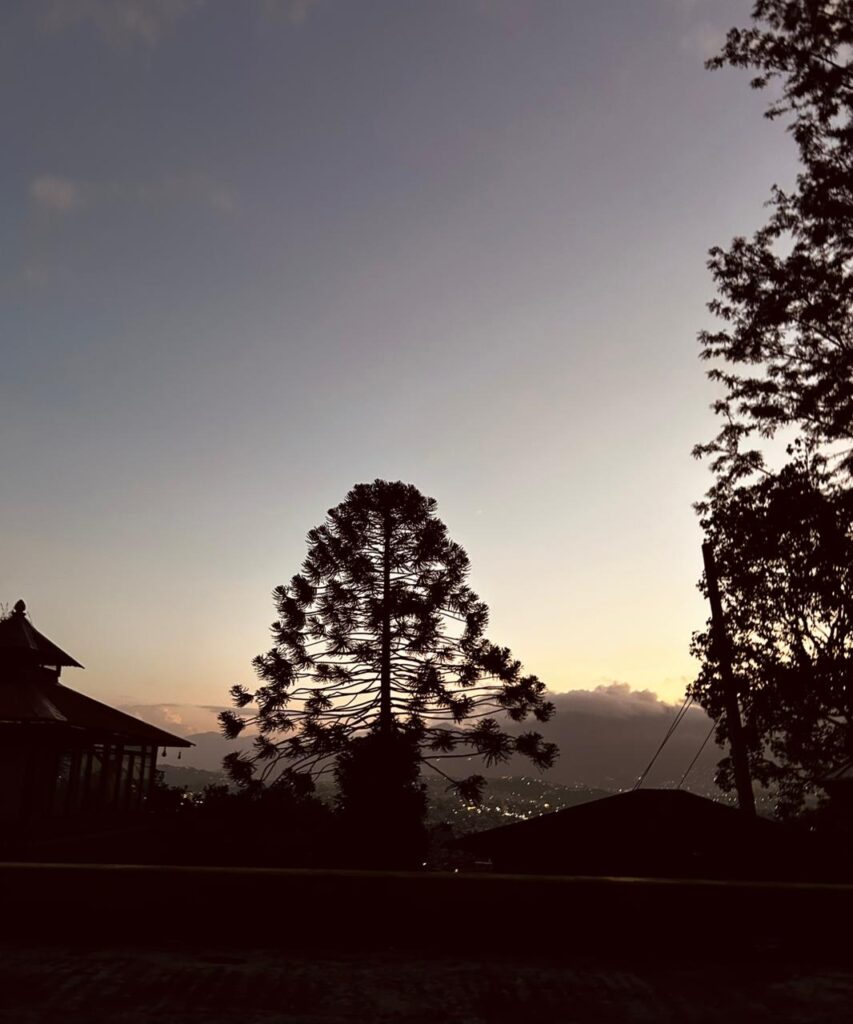
From the viewpoint, you can see the whole of Kathmandu spread out beneath you. The best time to visit is the evening, when the temple glows under soft lights and local musicians often play folk music, creating an energy that feels spiritually cleansing.
This is my favourite place in Kathmandu. You can easily spend more time here than anywhere else. Take a peaceful walk along the surrounding roads—these quiet moments remind you that simplicity is what every human truly craves.
Don’t forget to try the local tea and bhel from street vendors, and always be kind and respectful to the locals—they are warm, humble, and incredibly hospitable.
Thamel
Thamel is the heart of Kathmandu’s nightlife and market culture. It’s buzzing, colourful, and always alive. From handcrafted art pieces to trekking gear, Thamel has shops for everything. Many trekkers come here specifically to buy clothing and equipment before heading to the mountains.
Though Thamel is slightly expensive, the quality and variety make it worth the experience. Plus, window shopping here is a joy—especially for those who love exploring vibrant markets.
You’ll also find restaurants offering cuisines from around the world, cafés with live music, and corners filled with local flavours. Thamel captures the modern soul of Kathmandu while still reflecting its cultural heartbeat.
DAY 2 – KATHMANDU → POKHARA TRAVEL
Have an early breakfast in Kathmandu.
After that, choose your travel option for Pokhara—either a private cab or a local bus (Micro, Deluxe, or Tourist Big Bus).
The journey is long, and the roads can get tough at some stretches, but the changing landscapes will keep you completely engaged. The view shifts from busy city roads to rivers, green hills, small villages, and open valleys—making the whole ride worth it.
DAY 3 – EXPLORE POKHARA
Start your day by checking into a hotel near Phewa Lake.
This matters a lot—because Pokhara feels like two different worlds depending on the time of day.
Morning feels calm and poetic, like sitting with a book in a peaceful early sunrise ambience.
Night feels alive, bright, and festive… almost like the city itself is celebrating.
Now begin exploring:
Mahendra Cave
A natural limestone cave—cool, mysterious, and fun to walk through.
Bat Cave
Located nearby, known for its narrow exit and hundreds of bats hanging above. Adventurous!
Seti River Gorge
A deep, powerful gorge cutting through the city—great for a quick stop and photos.
Bindabasini Temple
A peaceful, culturally rich Nepali temple on a hilltop. Offers a calm break within the day.
International Mountain Museum
Know the story of Nepal’s mountains, Sherpas, and climbers.
If you love travel + history, this is a must-visit.
Davis Falls
A unique waterfall that suddenly disappears underground. Beautiful and different.
Gupteshwor Mahadev Cave (Must Visit)
Right opposite Davis Falls.
A long, beautiful cave temple dedicated to Lord Shiva, ending at a dramatic viewpoint beneath Davis Falls.
Pokhara’s most iconic cave—don’t miss it.
Don’t miss Woodfire Pizza in Pokhara
Pokhara is known for its cozy lakeside cafés, and one thing you must try here is woodfire pizza.
Fresh, smoky, perfectly crisp—eating it by the lake in the evening feels like a small luxury after a long day of exploring
DAY 4 – POKHARA → LOWER MUSTANG VALLEY
Start early from Pokhara and begin your journey toward the Lower Mustang Valley.
This region lies between the Tibetan Plateau to the North and the high Himalayan range to the South.
The land in between is called the Trans-Himalaya—a rare, striking landscape that feels ancient and untouched.
The entire road from Pokhara to Mustang is filled with incredible mountain views, deep valleys, rivers, and raw terrain. Every turn feels like stepping into a postcard.
Hire a Jeep (Important)
Small cars don’t go here.
You must hire a big jeep, and you’ll also need a permit.
Either take it beforehand or ask your driver—they usually create it online for you.
Galeshwor Temple
Your first stop.
A peaceful, less-crowded temple dedicated to Narayana and Shiva.
You’ll also see 108 Shiva Lingas inside—simple, sacred, calming.
Tato Pani Hot Bath
A natural hot water spring where you can relax your body before entering colder regions.
Many travelers stop here to soak and refresh.
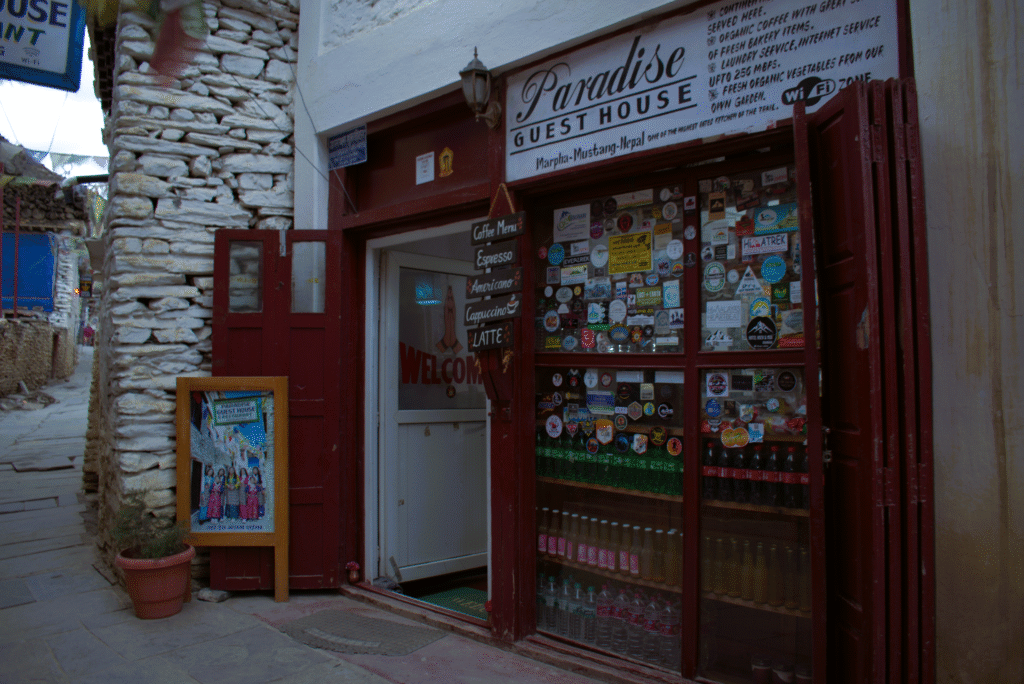
Reach Marpha by Evening
This will be your stay for the night.
Marpha is small, cold, and unbelievably serene. When you reach, cover yourself well—the temperature drops quickly.
Facilities are limited, but whatever you get is more than enough.
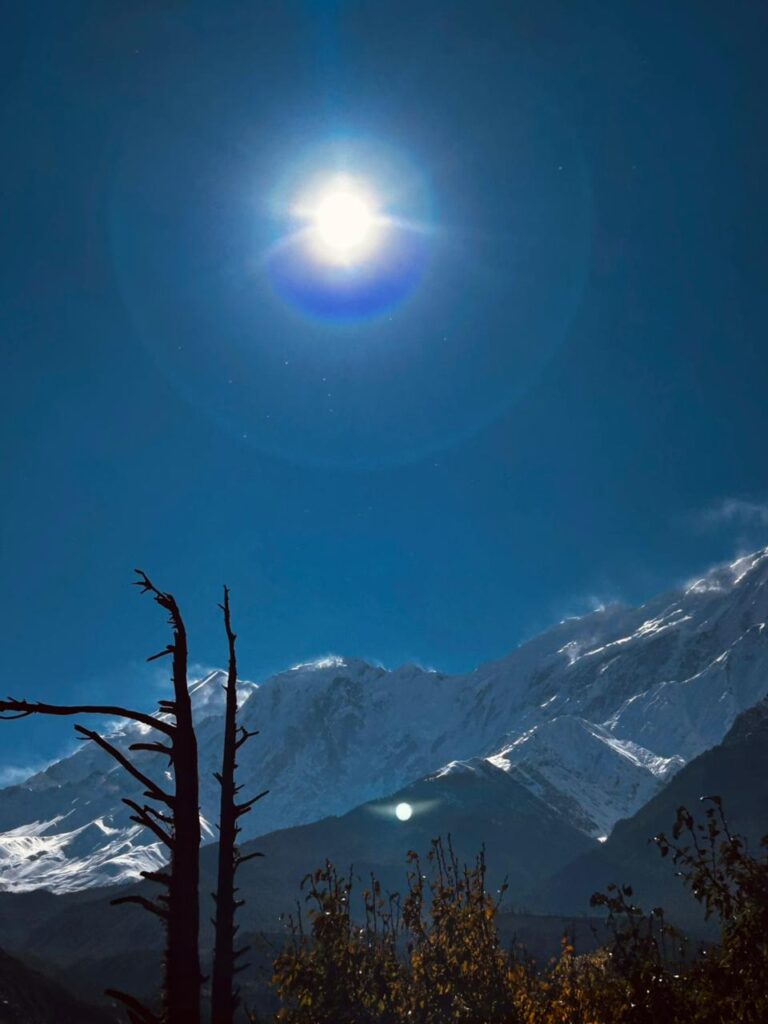
Marpha’s night sky view is breathtaking, and you’ll see trekkers preparing for ABC and other high-altitude routes.
Marpha – Home of Rare Apples
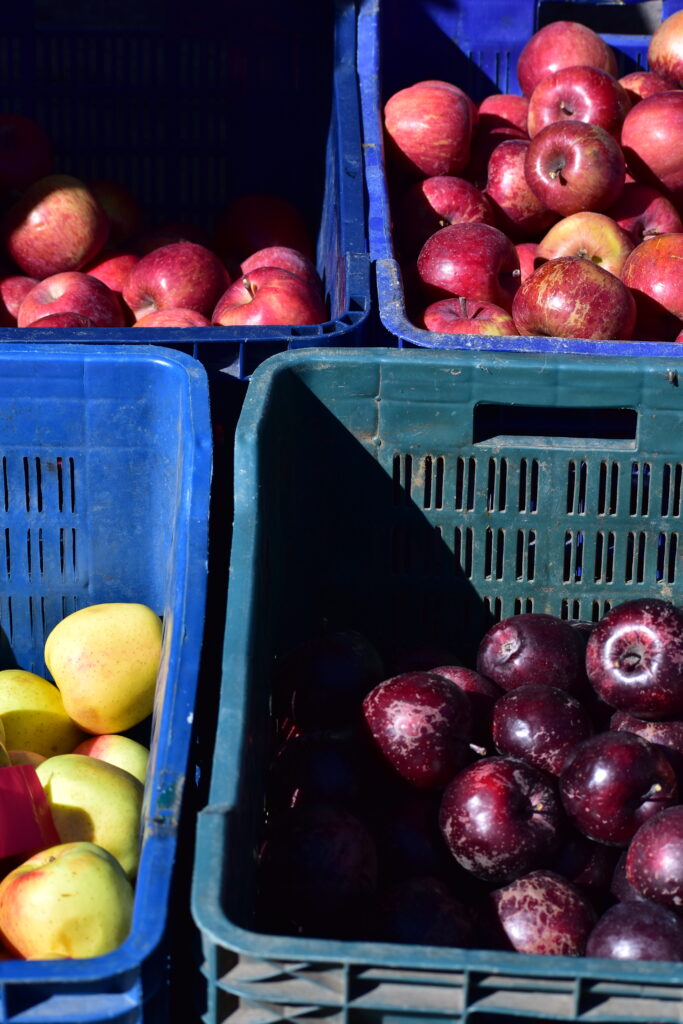
Marpha is famous worldwide for its apples:
- Golden
- Fuji
- Black Apple – extremely rare globally
It also produces fine local apple wine.
For vegetarians, food options are limited but manageable.
Marpha Village Experience
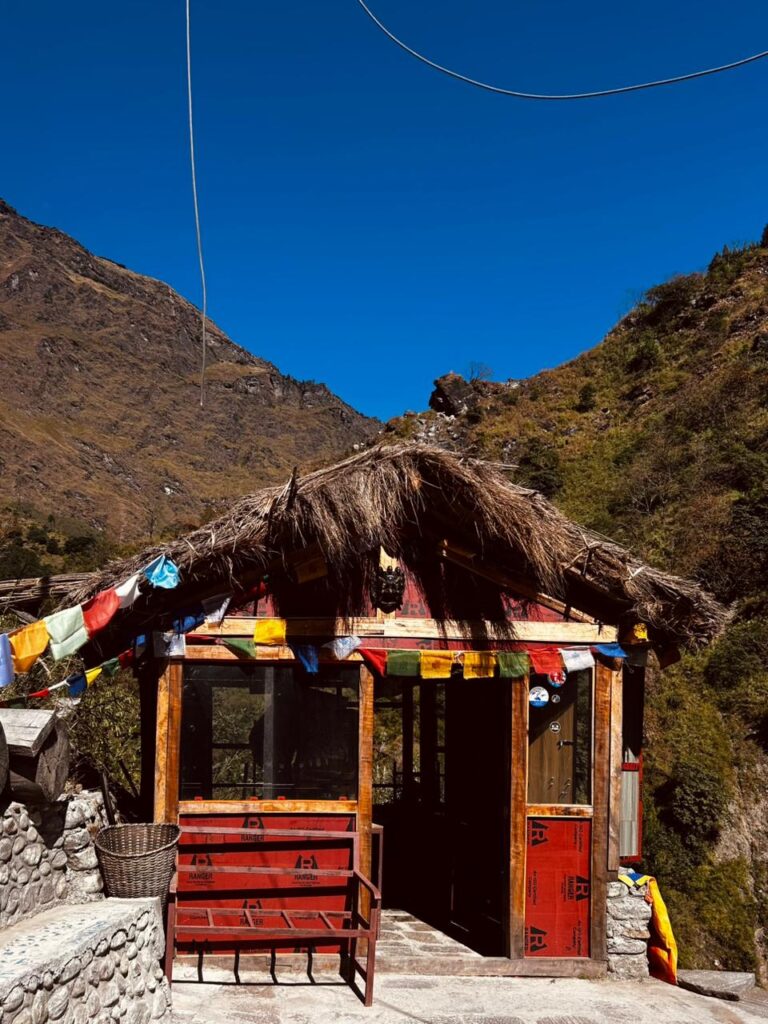
The entire village is built beautifully with white stones, giving it a clean and calming look.
Nights here feel different—quiet, raw, and deeply peaceful.
Locals live such simple lives that their calmness itself feels inspiring.
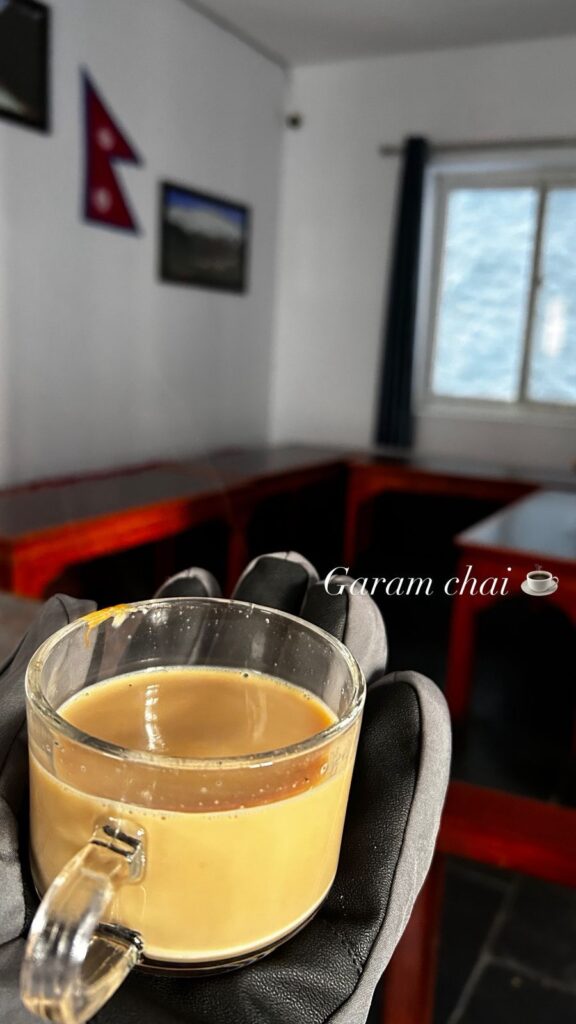
Make sure you have a warm cup of tea in Marpha.
It tastes different in that cold air.
DAY 5 – MARPHA → KAGBENI
Start your morning slowly in Marpha—cold air, quiet streets, and that feeling of being far away from everything.
Then continue your journey toward Kagbeni, one of the most beautiful and spiritually rich places in the entire Mustang region.
Kagbeni – The Soul of Mustang
Kagbeni is a small village, but it leaves a deep impression.
People here live with pure simplicity—stone houses, narrow lanes, prayer flags, and the wind that carries a different kind of silence.
This is where the landscape changes completely…
You’ll feel like you’re standing between ancient mountains and untouched time.
Saligram – Found Only Here
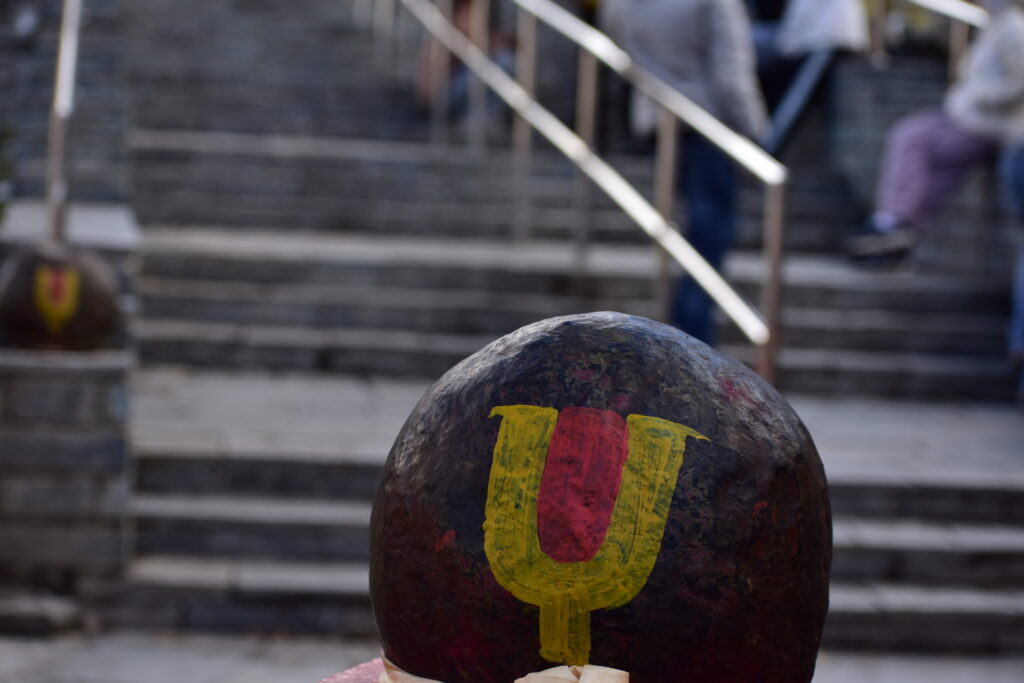
In Hindu belief, Saligram (Shaligram) is extremely sacred, and it is found only in this region along the Kali Gandaki River.
Many travelers come here just to collect or witness it—because it’s believed to be a form of Lord Vishnu.
Kagbeni Monastery
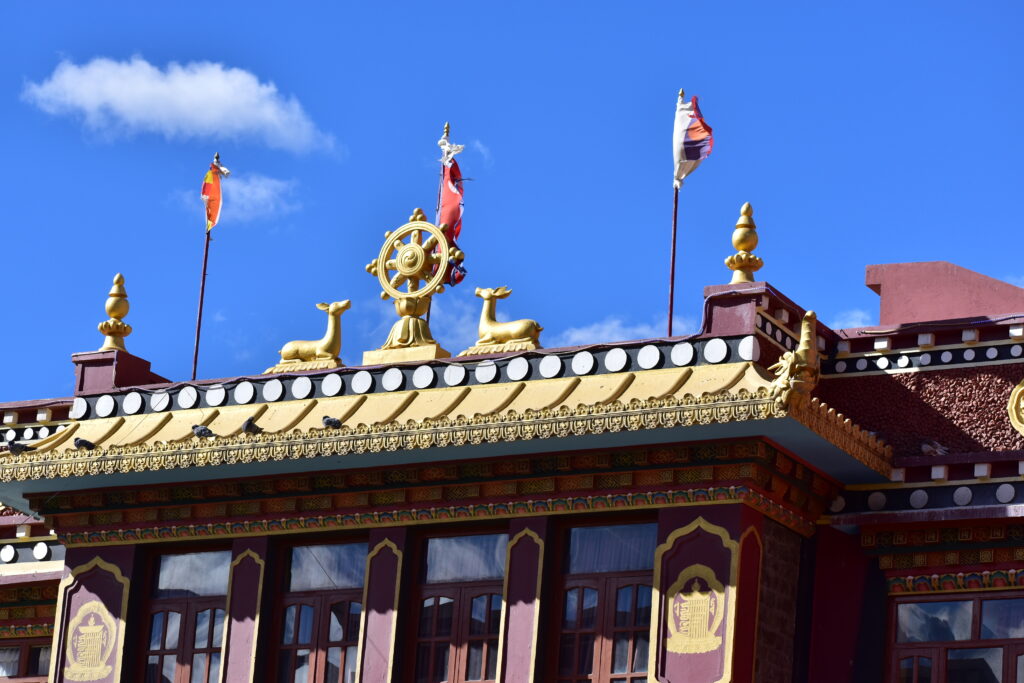
Kagbeni has a beautiful old monastery where young monks—kids of different ages—live, learn, and get their Buddhist teachings.
There are:
- young monks
- teenage monks
- elder monks
And the atmosphere inside is calm, open, and welcoming.
There is no restriction for visitors.
You can walk in peacefully, explore the monastery, and observe their daily life.
It gives a grounding sense of spiritual simplicity.
DAY 6 – KAGBENI → MUKTINATH → JOMSOM
Begin your morning journey from Kagbeni toward Muktinath, a place that feels sacred the moment you approach it.
The landscape becomes wider, higher, sharper… almost unreal.
The wind gets colder, the air gets thinner, and the silence becomes deeper.
Muktinath Temple – The Land of Liberation (Mukti Kshetra)
Muktinath is one of the most spiritually significant places in Nepal, respected equally by Hindus and Buddhists.
It’s believed to be a place of salvation—where one’s soul finds peace.
Here’s what makes it so special:
108 Water Spouts – Muktidhara
The temple has 108 holy water sprouts arranged in a row.
Pilgrims walk under them—even in the freezing cold—believing the water washes away every past sin.
The Eternal Flame
Inside the temple premises, there is a natural flame that burns continuously beside a natural water spring.
Earth, water, and fire together—this combination exists nowhere else.
Interreligious Harmony
Muktinath is rare because:
- Hindu priests perform rituals,
- Buddhist monks protect and maintain the monastery.
Both religions come together peacefully in this one sacred place.
High Altitude & Oxygen Levels
Muktinath sits at around 3,800 meters (12,500 ft).
At this height:
- Oxygen level in the air: 70–80% of sea level
- Your blood oxygen level: 80–90%
You must visit between 10 AM and 4 PM.
After that, the temperature drops fast and breathing becomes harder.
Walk slowly, take breaks, and don’t run or hurry.
After Muktinath – Head Toward Jomsom
Once you finish your temple visit, begin your descent and travel to Jomsom for the night.
Jomsom is the main town of Mustang—windy, open, and surrounded by giant mountains.
Nights here are cold but beautiful, with clear skies and a peaceful silence that feels like a different world.
You’ll find more facilities here compared to Marpha or Kagbeni, so Jomsom is the perfect place to rest after a long, high-altitude day.
DAY 7 – JOMSOM → DUMBA TAAL → POKHARA → CHITWAN
Wake up early in Jomsom and head straight to Dumba Taal.
Morning is the best time here—when the first sunlight touches the mountains, giving them a golden glow.
Dumba Taal is a favourite among Lower Mustang travellers because it brings two worlds together:
a calm blue lake + giant snow-covered mountains right behind it.
After soaking in the view, return to Jomsom for breakfast, then begin your long, scenic drive back toward Pokhara.
On the way, you’ll witness:
Rupshee Waterfall
Wild, raw, and roaring—Rupshee Falls looks magnificent, like it’s cutting through the mountain itself.
Baglung Temple
A peaceful shrine dedicated to Devi.
Many travellers stop here for a quick darshan.
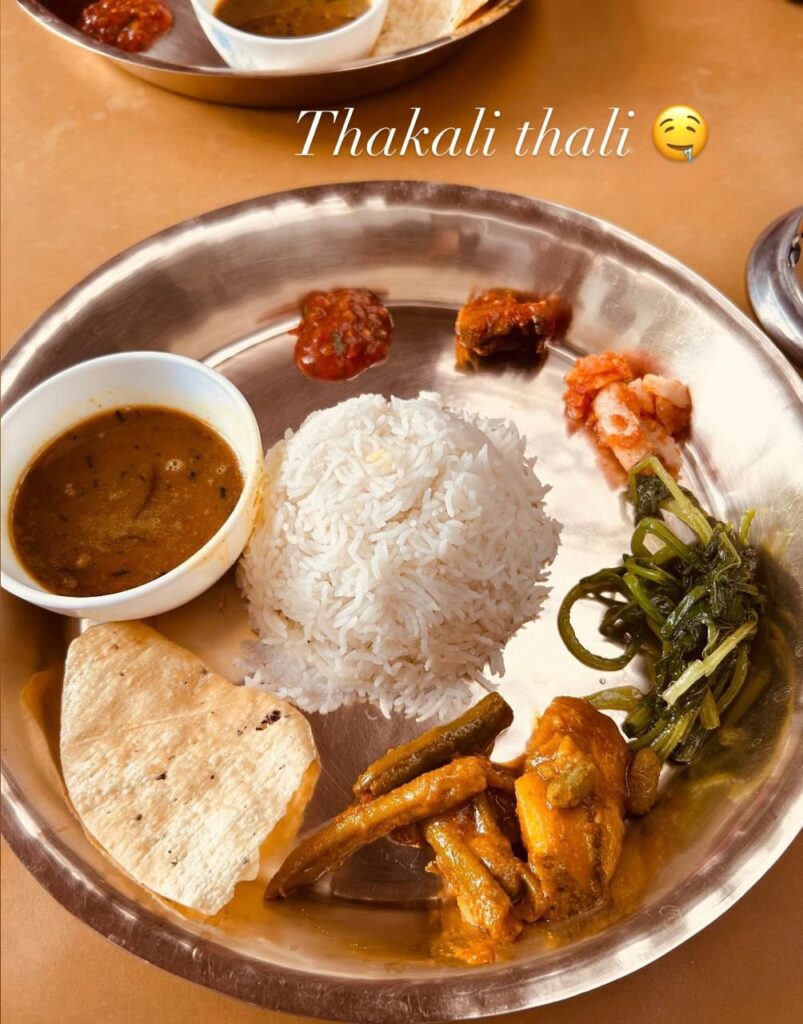
As you continue, stop for Thakali Thali, the most loved mountain food—simple, soulful, and energizing.
By evening, reach Pokhara, and if your plan continues, drive further toward Chitwan (around 4 hours by cab).
DAY 8 – CHITWAN
Start your day slow.
Chitwan is meant for relaxation—green trees everywhere, peaceful resorts, slow air.
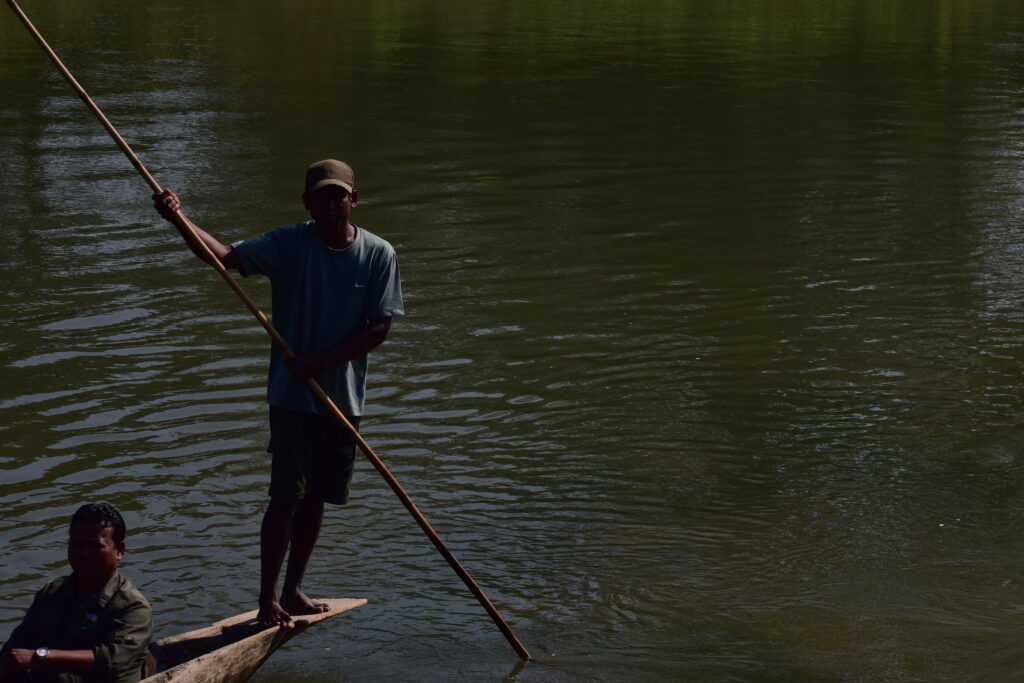
Canoeing Safari
Drift quietly on the river as you spot crocodiles, birds, and wildlife along the water.
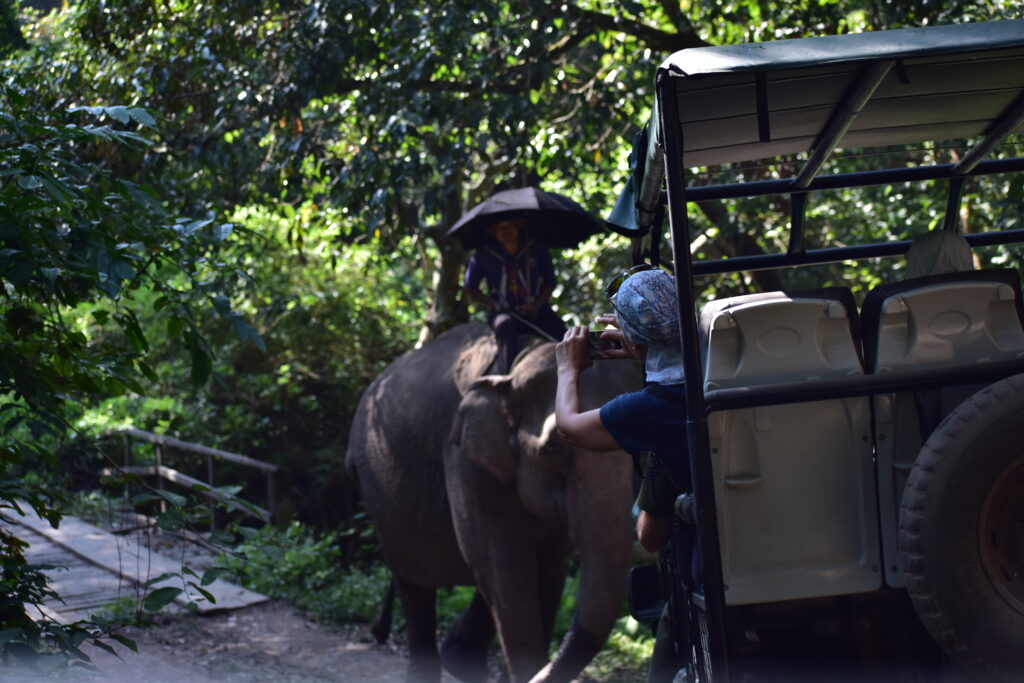
Jeep Safari
Deep into Chitwan National Park—home to rhinos, deer, wild boars, and if you’re lucky, a tiger.
Nightlife of Chitwan
Chitwan becomes magical at night with folk dances, Tharu culture shows, live music, and warm local hospitality.
If you get the chance, try to meet someone playing the sarangi.
These musicians keep ancient Nepali folk music alive—please give them a good tip.
They deserve it.
DAY 9 – CHITWAN → KATHMANDU
Start your day with a walking jungle safari.
It’s peaceful, thrilling, and brings you close to the quiet wildlife around.
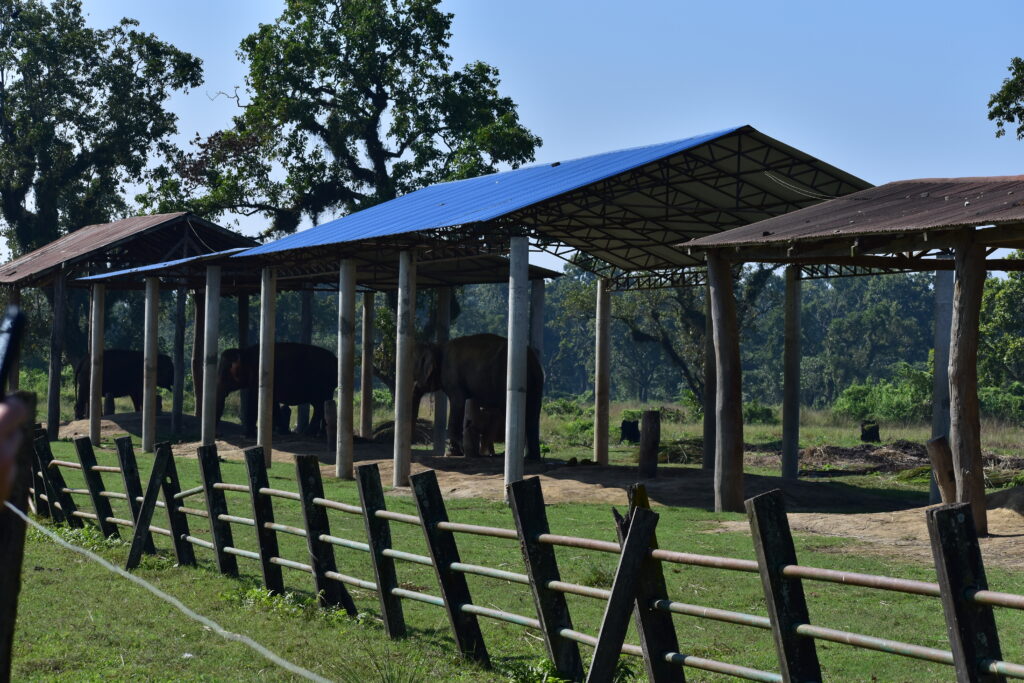
Then visit the Elephant Breeding Centre, where you see baby elephants and understand conservation efforts.
By afternoon, take your cab or bus back to Kathmandu.
DAY 10 – KATHMANDU – FAREWELL
Your last day.
Take your flight from Kathmandu.
And if your heart calls for it, visit Pashupatinath Temple one last time—
to cleanse your mind, to thank the journey,
and to feel the quiet holiness before you leave.
These ten days will stay in your memory forever—
the mountains, rivers, cold winds, quiet monasteries, simple villages,
and the people who welcomed you like family.